Roof Repair or Replacement? How to Decide for Your Home
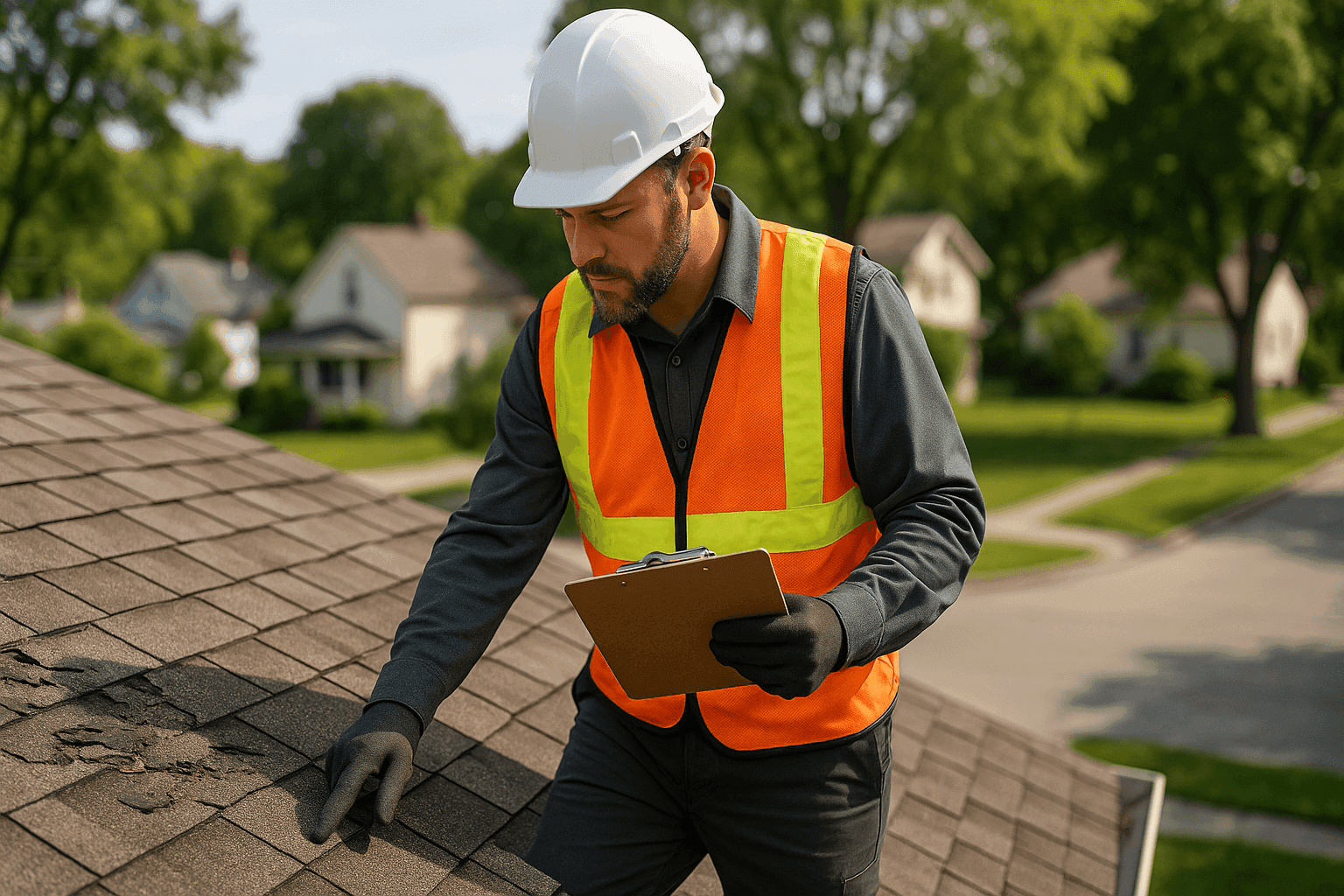
Feel like your home’s roof is trying to send you a message? You’re not alone. Knowing when to patch things up or start fresh is one of the toughest calls a homeowner faces. One small leak can feel like it’s raining confusion and worry.
At Home Roofing & Remodeling, we help families make confident choices every day. Here, you’ll learn how to spot trouble early, weigh your options, and protect your investment—minus the stress or sales pitch.
Repair vs. Replacement—Key Differences 🏠
Choosing between roof repair and replacement is a bit like deciding whether to patch your favorite jeans or buy a new pair. Sometimes, a small fix will do. Other times, the damage runs deep or keeps coming back.
Repair:
- Targets specific problem spots—like missing shingles, leaky flashing, or minor storm damage.
- Often quicker, less disruptive, and less expensive.
- Good for newer roofs or isolated issues.
Replacement:
- Involves removing the old roof and installing a new system.
- Needed when the structure is aging, there’s widespread damage, or multiple repairs haven’t lasted.
- More costly up front, but can save headaches (and money) down the line.
Why it matters:
Your roof isn’t just a hat for your house. It’s a safety shield, insulation layer, and first line of defense against weather. Choosing the right fix protects everything—and everyone—underneath.
Warning Signs Your Roof Needs Attention
Spotting trouble early can be the difference between a simple repair and a costly overhaul. Here’s what to look for:
- Water stains on ceilings or walls
- Missing, cracked, or curling shingles
- Granules collecting in gutters
- Sagging spots or soft decking underfoot
- Daylight peeking through attic boards
- Loose, rusted, or damaged flashing
- Peeling paint near roofline or damp attic insulation
Checklist: Check at least twice a year, especially after storms or heavy winds.
Real-World Scenario:
After a windy spring storm, you notice a few shingles in your yard. You check your attic and spot faint water stains. This is the perfect time to act before things get worse.
Factors Impacting the Decision
Every roof—and every family’s situation—is unique. Here’s what to weigh before you decide:
Age of Your Roof
- Shingle roofs: Usually last 15–25 years.
- Metal, tile, or slate: Can last 40+ years.
- Flat roofs: Often 10–20 years.
If your roof is near or past its expected lifespan, replacement often makes sense—even if the current problem seems small.
Extent of Damage
- Localized Damage: (e.g., one leaky area, a few missing shingles) often points to repair.
- Widespread Issues: (e.g., multiple leaks, large sections of damage) may mean replacement is best.
- Structural Damage: Sagging or rotted decking means deeper repairs—or full replacement—are needed.
Costs and Long-Term Value
Repairs cost less up front, but recurring issues add up fast. Older roofs may develop new leaks each season, making replacement the smarter investment.
Tip:
Ask about energy savings from new insulation or materials. A new roof can lower heating and cooling bills.
Authoritative Reference:
The National Roofing Contractors Association (NRCA) recommends full replacement for roofs with more than 25–30% damage or advanced age.
Roofing Materials & Longevity
The type of roofing on your home plays a big part in the decision.
- Asphalt Shingles: Affordable, easy to repair, 15–25 years.
- Metal Roofing: Durable, energy-efficient, 40–70 years.
- Clay/Concrete Tile: Long-lasting, heavy, 40–50+ years.
- Flat Roofs: Prone to pooling, require regular upkeep, 10–20 years.
- Eco-Friendly Roofing: Such as cool roofs or green roofs, can extend lifespan and cut energy costs.
Consider:
Matching new repairs to old materials can be tricky. If you’re considering a new look or better insulation, now’s the time to upgrade.
When to Consult a Professional
Some roof problems jump out at you. Others hide until they become emergencies. Here’s when to call in the pros for a full inspection:
- If you spot more than one type of damage
- If your roof is nearing its lifespan
- If you see sagging, pooling water, or daylight in the attic
- After major storms, hail, or heavy snowfalls
- If you feel uneasy climbing up or walking on the roof
Why it matters:
Roof inspections catch hidden risks. Licensed roofing professionals know what to look for, from subtle leaks to ventilation & insulation issues near you.
Safety Note:
DIY inspections can be risky. The U.S. Occupational Safety and Health Administration (OSHA) reports thousands of fall injuries from ladders and roofs each year.
Quick Safety Checklist
Before you get up close and personal with your roof, run through this safety list:
- Use a sturdy, well-placed ladder on level ground
- Wear non-slip shoes and protective gloves
- Never walk on wet, icy, or steep roofs
- Watch for power lines and loose shingles
- If in doubt, stay on the ground and call for help
Remember: Your safety comes first. No repair is worth risking a fall.
DIY vs. Call a Pro
Some small fixes—like reattaching a downspout or cleaning gutters—are manageable for handy homeowners. But roofing cuts no corners with safety and skill.
DIY Might Work For:
- Cleaning out gutters
- Checking ventilation & insulation near you from the attic
- Replacing a single shingle (if you’re comfortable and the roof is low)
Call a Pro For:
- Leak repair, especially near skylights, chimneys, or flashing
- Structural repairs or sagging rooflines
- Signs of rot, mold, or widespread water damage
- Metal, tile, or flat roof repairs
Risks of DIY:
Hidden damage, improper repairs, and voided warranties. Roofing work often requires meeting local building codes and safety standards.
What Pros Do On Arrival
When you bring in a roofing professional, here’s what happens next:
- Full inspection—inside and out, including attic, decking, and insulation
- Photographs and notes—to document existing issues and help you make informed choices
- Clear explanation—what’s urgent, what can wait, and what options fit your budget
- Written estimate—so you can review, compare, and consider with no pressure
Did you know?
A pro will also check for code compliance, proper ventilation, and signs of storm damage that could affect your insurance claim.
Prevention & Maintenance
A little care goes a long way. Regular roof maintenance can delay replacement and catch problems before they grow.
- Clean gutters and downspouts at least twice a year
- Trim overhanging branches to prevent damage
- Check attic insulation for dampness or mold
- Look for missing or damaged shingles after storms
- Sealant touch-ups on flashing, skylights, and vents
Tip:
Schedule annual roof inspections—especially before and after harsh seasons.
Costs & Time Factors
Roofing expenses vary based on size, materials, labor, and location. Here’s what usually drives the cost:
- Type of repair vs. full replacement
- Materials used (shingle, metal, tile, flat)
- Roof pitch and complexity
- Underlying damage (decking, insulation, or structure)
- Accessibility and safety needs
Time Required:
- Repairs: A few hours to a day.
- Replacement: Two days to a week, depending on complexity and weather.
Budgeting Tip:
Investing in preventative maintenance or high-quality materials may cost more up front but pays off long-term in fewer repairs.
When It’s an Emergency
Some problems can’t wait. If you notice:
- Water pouring indoors during a storm
- Exposed wood or insulation
- Major sagging or partial collapse
- Sudden increase in energy bills due to poor insulation
Call for emergency roofing services right away. Quick action can prevent further structural damage and protect your home’s interior.
Remember:
Insurance often covers sudden storm or hail damage. Document issues with photos and save receipts for repairs.
FAQ
How do I know if I need a new roof or just a repair?
If your roof is nearing the end of its life or has widespread damage, replacement is likely best. Localized leaks or missing shingles may only need repair.
Is it safe to inspect my own roof?
Only if your roof is low, dry, and you’re comfortable. Otherwise, call a professional—falls are a leading cause of home injuries.
Will a new roof improve energy efficiency?
Yes. Modern materials and proper ventilation & insulation near you can reduce heating and cooling costs.
How often should I have my roof inspected?
At least once a year, and after any severe weather event.
Local & Seasonal Considerations
Your roof faces different battles as the seasons change. Heavy snow, ice dams, spring storms, and summer heat all take a toll.
- After snow or ice: Watch for leaks, sagging, or blocked gutters.
- After storms: Check for missing shingles, hail dents, and damaged flashing.
- High humidity: Inspect for mold or damp insulation in the attic.
Tip:
Schedule inspections in spring and fall, before the most extreme weather hits.
Protecting your home starts at the top. Whether you need a quick fix or a full roof replacement, make your next move with confidence. Our team at Home Roofing & Remodeling is here to guide you—no pressure, just real answers.
Call Home Roofing & Remodeling now — or reach us anytime at 888-896-7236 .