Shingle vs. Metal Roofs: Pros, Cons, and Cost Guide
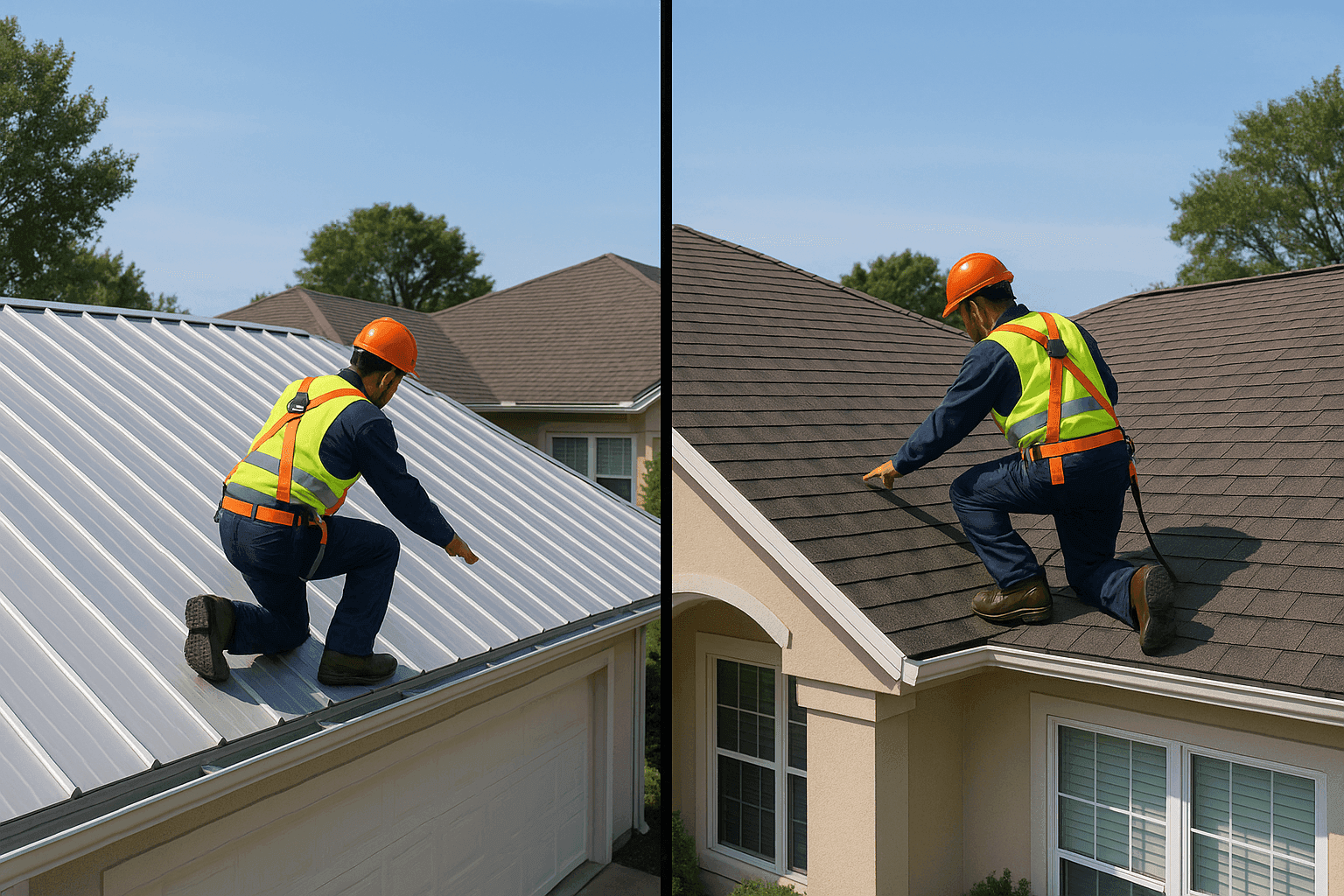
Choosing a new roof is like picking a hat for your house. It needs to fit, withstand the weather, and look good for years to come. But with so many options, how do you choose what’s right for your home—and your budget?
You’re not alone if you’re torn between shingle and metal roofing. At Home Roofing & Remodeling, we’ve helped families across the region weigh this decision. Let’s walk through the real-world pros, cons, and cost factors to help you feel confident when it’s time to make the call.
Overview—Shingle and Metal Roofing 🏠
Both shingle and metal roofing have long track records in residential neighborhoods. Asphalt shingles are the most common sight on American homes, while metal roofs have been gaining popularity for their modern look and impressive lifespan.
Shingle roofs come in layers—usually asphalt, but also wood, slate, or composite. They’re flexible, affordable, and straightforward to install.
Metal roofs are made from panels of steel, aluminum, copper, or zinc. You’ll spot them on barns, cabins, and increasingly, sleek suburban homes. Metal panels interlock for a tight seal against wind and rain.
Each has its unique strengths. But which one wins for cost, durability, appearance, and long-term value? Let’s break it down.
Cost Comparison: What Should You Expect to Pay?
Installation Costs
- Shingle Roofing:
Average cost: $5,000–$13,000 for a typical 2,000-square-foot home, according to recent Remodeling Magazine data. Asphalt shingles are a wallet-friendly choice, with most of your investment going toward materials and labor. - Metal Roofing:
The upfront price is steeper—$10,000–$25,000+ for the same size roof, depending on material and complexity. Standing seam panels and premium metals like copper or zinc will land at the high end.
Lifespan & Long-Term Value
- Shingle roofs usually last 15–30 years, depending on material quality and climate. Manufacturer warranties range from 15 to 50 years, but most standard asphalt shingles need replacement around the 20-year mark.
- Metal roofs shine in longevity, often lasting 40–70 years. Many panels carry 30–50 year warranties. Over decades, the higher upfront cost can balance out against fewer replacements.
Bottom line: If you plan to move within a decade, shingles might make more sense. If you’re putting down roots, metal’s long-term savings could tip the scales.
Durability & Maintenance Needs
Weather Resistance
- Shingle Roofing:
Shingles stand up well to moderate weather but can shed or crack in heavy wind, hail, or rapid freeze-thaw cycles. After major storms, routine inspections are key. - Metal Roofing:
Metal roofs shrug off high winds, hail, and even fire. They’re less likely to be punctured or torn—one reason metal is often recommended in hurricane and wildfire zones.
Maintenance & Repairs
- Shingle roofs need regular checks for missing, curling, or cracked shingles. Moss and debris can shorten lifespan if not removed. Repairs are usually easy and local.
- Metal roofs require less yearly upkeep. Occasional tightening of fasteners, clearing of debris, and checking for scratches or corrosion keeps them in top shape. Leaks are rare but should be addressed quickly to prevent rust.
Pro tip: Schedule an annual inspection with a licensed roofing contractor—especially after extreme weather—to catch small issues before they grow.
Energy Efficiency & Eco-Friendliness
Comfort and Savings
- Shingle roofs can absorb heat, making attics warmer in summer. Some modern “cool roof” shingles reflect more sunlight, but asphalt generally isn’t the most energy-saving option.
- Metal roofs are natural reflectors. Lighter colors, special coatings, and radiant barriers can lower attic temps by up to 25%, according to the U.S. Department of Energy. This means less strain on your air conditioning.
Environmental Impact
- Shingles are mostly petroleum-based and can be recycled, but many still end up in landfills. Some manufacturers offer recycling programs—ask your contractor about options.
- Metal roofs are made from recycled content and are 100% recyclable at the end of their service life. They’re a solid choice for eco-conscious homeowners.
Ventilation & Insulation near you can also make a huge difference. Proper attic airflow and insulation help both metal and shingle systems last longer and perform better year-round.
Visual Appeal & Resale Value
Curb Appeal
- Shingle Roofing:
Comes in dozens of colors and textures. Fits in well with classic, colonial, or craftsman homes. Replacement is simple if you want to switch up the look. - Metal Roofing:
Modern, sleek, and bold. Available in standing seam, ribbed, or even styles that mimic tile or wood shake. Color choices are broad, but panel seams are visible and can stand out more in traditional neighborhoods.
Home Value
- Both materials can boost resale value when installed professionally and maintained.
- Metal roofs are sometimes seen as a premium upgrade. According to the National Association of Realtors, metal can recoup up to 60–70% of its initial cost on resale, while high-quality shingles aren’t far behind.
Remember: Your roof is your home’s first impression. Match the style to your neighborhood and personal taste, but always prioritize quality installation.
Maintenance Tips & Common Misconceptions
- All roofs need care. Metal isn’t “install and forget”; check for scratches, fastener issues, and clear gutters.
- Shingles aren’t always cheaper long-term. Repeated replacements can add up over 40 years.
- Metal roofs don’t all look like barns. Modern profiles can blend beautifully with any architecture.
- Noise is manageable. With proper attic insulation, most homeowners don’t notice extra rain noise on metal.
- Warranty ≠ lifespan. A 40-year warranty doesn’t mean you’ll never need repairs—just that the manufacturer stands behind their material.
Which Roof Fits Your Climate—and Your Home?
- Shingles are a solid choice in milder climates with less severe weather swings.
- Metal is ideal for regions with heavy snow, high winds, wildfires, or hail. It sheds snow quickly and resists embers.
- For hot climates, metal’s reflectivity can help lower cooling bills.
Always check local building codes and HOA guidelines before choosing. Some areas have restrictions on materials or colors.
Frequently Asked Questions
How long does installation take?
- Shingle roofs: usually 1–3 days for a standard home.
- Metal roofs: 2–5 days, depending on complexity.
Are metal roofs prone to rust?
- Modern panels are coated to resist rust. Aluminum and copper won’t rust at all. Regular inspection helps spot scratches that could expose metal.
Will a metal roof affect cell service or Wi-Fi?
- No. Signals pass through just as they do with shingle roofs.
Do I need to remove my old roof?
- Often, yes. Building codes sometimes allow a second layer, but removing old material gives the best results and reveals any hidden damage.
Local & Seasonal Considerations
- In areas with heavy snow, metal’s smooth surface prevents dangerous ice dams.
- Coastal homes benefit from corrosion-resistant metals like aluminum.
- Tornado or hurricane zones may require extra fastening or specific shingle types—always check with a licensed contractor familiar with local code.
Remember, building codes, fire ratings, and insurance requirements can all influence your best choice. The International Residential Code (IRC) and guidelines from organizations like the National Roofing Contractors Association are good resources for up-to-date standards.
Ready for a roof that suits your home, climate, and budget?
Call Home Roofing & Remodeling now — or reach us anytime at 888-896-7236 .