Eco-Friendly Roofing: Sustainable Options for Modern Homes
Your roof is more than just a shield from storms. It’s the hat your house wears every single day—shaping comfort, character, and even utility bills. With climate concerns growing, homeowners like you want smart solutions that are kind to the planet and your wallet.
At Home Roofing & Remodeling, we know that the journey toward an eco-friendly roof can feel overwhelming. Which material is best? How much will you save? And can you really make a difference? You’re not alone in these questions. Let’s break down the options so you can feel good about your next roofing choice.
What Makes a Roof Eco-Friendly? 🌱
An eco-friendly roof does three powerful things: it lasts, saves energy, and treads lightly on the earth. That means choosing materials that are durable, often recyclable, and produced with less waste. It also means paying attention to how your roof impacts your home’s temperature—think insulation, ventilation, and reflectivity.
Certifications matter here. Look for products that meet standards like ENERGY STAR® or are certified by organizations such as the Cool Roof Rating Council (CRRC) or Forest Stewardship Council (FSC). These marks aren’t marketing fluff—they show a real commitment to sustainability and performance.
But it’s not just about the shingles. Proper Ventilation & Insulation near you, quality flashing, and well-installed gutters all help your roof work smarter, not harder.
Popular Sustainable Roofing Materials
Choosing the right material is like picking the right shoes—some are built for speed, others for comfort, and a few can do it all. Here are some standouts:
- Metal Roofing: Made from recycled content and fully recyclable at end-of-life. It reflects sunlight, reducing cooling costs. Metal roofs can last 40–70 years.
- Cool Roofs: These use special coatings or light-colored materials to reflect the sun’s rays, lowering attic heat and AC bills. Look for CRRC-certified products.
- Recycled Shingles: Crafted from recycled rubber, plastic, or even wood fiber, these mimic traditional styles but keep waste out of landfills.
- Clay & Concrete Tile: Durable and often made from natural materials. They have a high thermal mass, helping regulate indoor temps.
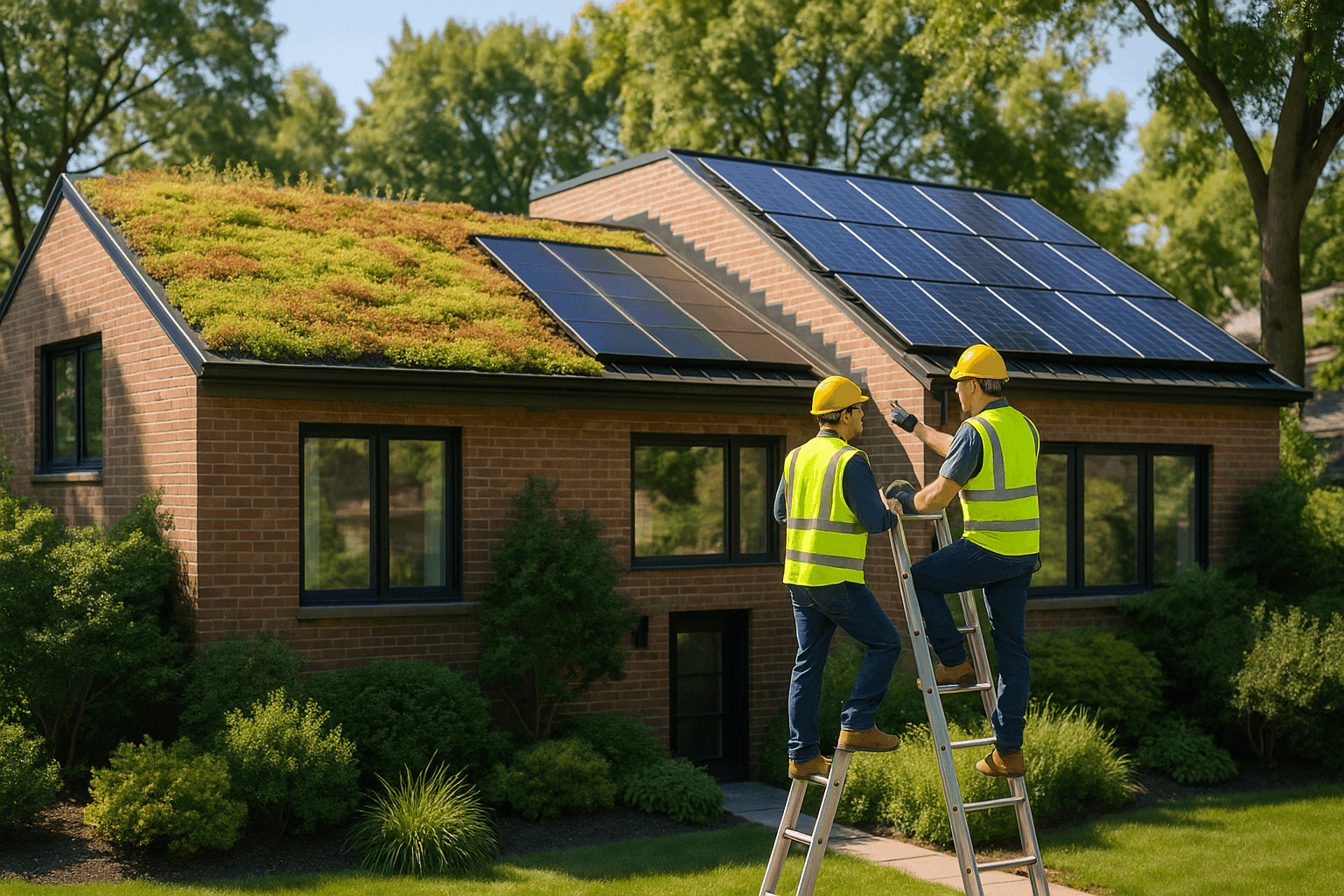
- Green (Living) Roofs: Covered in vegetation, they absorb rainwater, provide insulation, and create a pocket of nature right on your home.
- Eco-Friendly Asphalt Shingles: Some brands now offer asphalt shingles with recycled content or improved solar reflectance.
Remember, the greenest roof isn’t always the newest trend. The best choices blend performance, longevity, and responsible sourcing.
Energy Efficiency & Cost Savings
Imagine your roof as a thermal shield. The better it does its job, the less your HVAC system has to work. That means real-world savings every month.
- Reflective materials (like cool roofs or metal) can lower surface temps by up to 50°F, according to the U.S. Department of Energy.
- Good insulation and ventilation keep heat where you want it, reducing winter drafts and summer swelter.
- Solar-ready roofs can open the door for future solar panel installation, unlocking even more savings and potential tax credits.
Studies from ENERGY STAR® and the Environmental Protection Agency show that upgrading to energy-efficient roofing can cut annual cooling costs by 10–15% or more. Over the life of your roof, that adds up.
Maintenance Tips for Green Roofs
A greener roof isn’t “set it and forget it.” Like a garden, it needs a little care to keep performing its best:
- Inspect regularly for debris, clogged gutters, or damaged flashing—especially after storms.
- Schedule professional cleanings every year, especially for green or cool roofs. Leaves, algae, and dirt can reduce reflectivity.
- Check insulation and ventilation in your attic to make sure everything’s working together.
- Trim overhanging branches to prevent moss and mold growth.
- For living roofs: Water and weed as recommended, and monitor drainage.
Simple habits, like clearing gutters and looking for leaks, go a long way toward extending the life of any eco-friendly roof.
How to Choose the Right Option
Every home is different—just like every homeowner’s priorities. Start with what matters most to you:
- Budget: Metal and green roofs have a higher upfront cost, but lower lifetime expenses. Recycled shingles and cool roofs offer a good middle ground.
- Climate: Hot climates benefit most from reflective or cool roofs. Wet or snowy regions need extra attention to drainage and weight support.
- Aesthetics: Some homeowners love the sleek look of metal; others prefer the traditional texture of tile or shingles.
- Local codes: Always check city or state building codes. Some eco-materials require special installation or support.
- Certifications: Look for ENERGY STAR®, CRRC, or FSC marks for real-world performance and sustainability.
Consulting a roofing professional can help you balance these factors and avoid costly missteps.
Eco-Friendly Roofing Safety Checklist
Before any roofing project—especially with new, sustainable materials—run through these quick checks:
- Confirm your installer is licensed and insured.
- Check for manufacturer warranties on all materials.
- Make sure the site is safe for workers and family (clear pets, mark hazards).
- Verify ventilation and insulation needs are addressed.
- Review all product certifications and code requirements.
Safety isn’t just about hard hats. It’s about peace of mind, knowing your home and investment are protected.
DIY vs. Call a Pro
Some homeowners love a challenge, but eco-friendly roofing is rarely a DIY affair. Materials like metal, tile, or living roofs have unique installation quirks. Even recycled shingles need precise flashing and weatherproofing to perform their best.
- DIY is best for: Small repairs, simple gutter cleaning, or basic maintenance.
- Call a pro for: New installations, major repairs, or anything involving structural changes, electrical (like solar prep), or complex ventilation.
A professional crew brings experience, safety training, and the right tools—plus, they can spot issues before they become expensive headaches.
What Pros Do On Arrival
When Home Roofing & Remodeling arrives, here’s what you can expect:
- A detailed inspection of your existing roof, attic, and insulation.
- Recommendations based on your budget, climate, and design preferences.
- Explanation of material options, including sample boards.
- Review of installation timelines, code requirements, and warranty details.
- A clean, respectful work environment—your home is treated like our own.
Our approach is about partnership. We’ll talk through every step, so you’re never left guessing.
Prevention & Maintenance
Think of roof maintenance like brushing your teeth—simple, regular care prevents big problems:
- Annual inspections: Catch small leaks or wear before they escalate.
- Gutter cleaning: Keeps water moving away from your foundation and prevents ice dams.
- Sealant and coating touch-ups: Maintain energy efficiency and weather resistance.
- Replace damaged shingles or tiles: Prevents moisture from sneaking in.
A well-cared-for eco-friendly roof can last decades—and it keeps performing for both your home and the planet.
Costs & Time Factors
Eco-friendly roofing is an investment. Upfront costs can be higher than traditional asphalt, but savings stack up year after year.
- Installation time: Most sustainable roofs take 1–2 weeks, depending on material and weather.
- Material costs: Metal and living roofs are often the most expensive, but their lifespan and energy savings offset the price over time.
- Long-term savings: Lower utility bills, less frequent replacements, and sometimes insurance discounts.
Remember, every house is unique. A quick conversation can help you map out a plan that fits your timeline and budget.
When It’s an Emergency
Storms happen. So do leaks, fallen branches, and surprise drips in the night. If your roof is suddenly damaged:
- Stay safe—avoid slippery surfaces and downed wires.
- Use buckets or tarps to minimize water damage inside.
- Call for emergency roofing services right away.
Home Roofing & Remodeling offers emergency patching, leak repair, and storm damage restoration. We’ll help you weather the storm, then plan a long-term fix.
FAQ: Eco-Friendly Roofing
Is an eco-friendly roof more expensive?
Usually, yes—upfront. But energy savings, fewer replacements, and increased home value can make it a smart long-term choice.
How do I know if a material is really green?
Look for certifications like ENERGY STAR®, CRRC, or FSC. Ask about recycled content and end-of-life recyclability.
Will my roof need more maintenance?
Not necessarily. Green roofs need some extra care, but metal, tile, and quality shingles often need less maintenance than standard asphalt.
Can I install solar panels later?
Absolutely. Many eco-friendly roofs are “solar-ready,” but it’s best to plan for this during installation.
Local and Seasonal Considerations
Every region has its quirks. In hot, sunny areas, reflective and well-ventilated roofs can make a major difference. Wet or snowy climates call for strong drainage, ice dam prevention, and extra insulation. And wherever you’re located, routine inspections before storm season are a smart move.
Local codes can affect which materials you can use—another reason to work with a professional installer who knows the ropes.
Ready to make your home greener, safer, and more comfortable?
Call Home Roofing & Remodeling now — or reach us anytime at 888-896-7236 .