Flat Roofs for Homes: Pros, Cons, and Maintenance Essentials
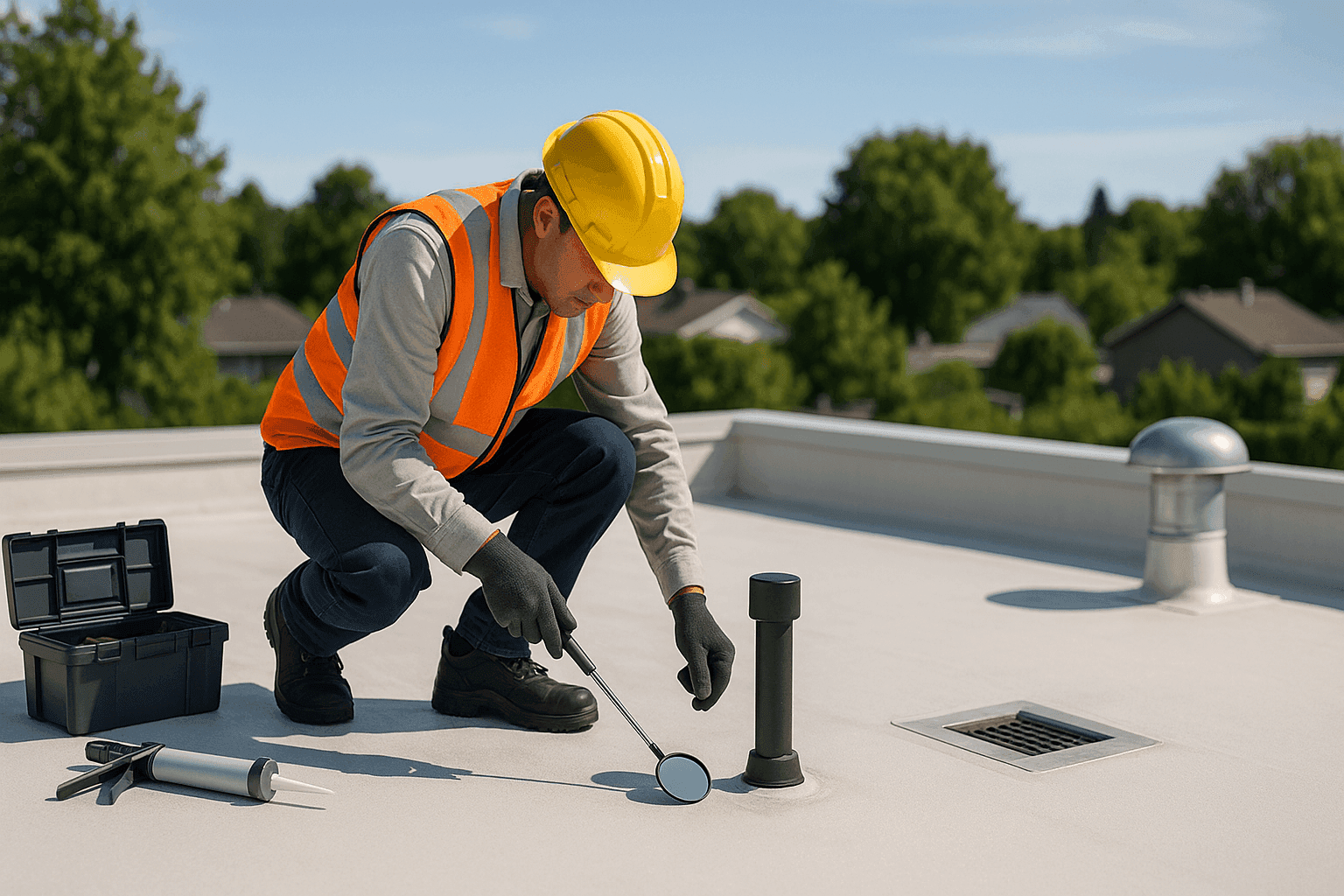
Flat roofs don’t just belong on city buildings or modern art museums. More homeowners choose them every year. But here’s the thing: what looks sleek on a brochure can turn tricky if you don’t know how to care for it.
Whether your flat roof is brand new or decades old, understanding its ins and outs is the difference between a dry living room and a sudden emergency call. Let’s dig in—so you have fewer surprises and more peace of mind.
Why Choose a Flat Roof? 🏠
Flat roofs are rising stars in residential roofing for good reasons. They’re not just for commercial buildings anymore.
- Modern Curb Appeal: Want that modern, minimalist look? Flat roofs deliver it in spades.
- Extra Living Space: Think rooftop decks, solar panels, or a cozy garden retreat.
- Easier Access: Inspecting or maintaining a flat roof is less like climbing a mountain and more like strolling on a patio.
- Cost Savings: Sometimes, flat roofs use fewer materials and can be faster to install, depending on your home.
But there’s another side to the coin. Flat roofs need careful attention. The same features that make them appealing can invite trouble if neglected.
Flat Roof Advantages & Drawbacks
Advantages:
- Space Utilization: Perfect for HVAC units, skylights, or even a rooftop hangout.
- Quick Install: Smaller homes or additions can see fast installation times.
- Modern Style: Clean lines and contemporary flair.
Drawbacks:
- Drainage Risks: Unlike sloped roofs, water doesn’t rush off. If drains clog or slope is off, puddles form. Over time, this is bad news for your roof.
- Shorter Lifespan: Some materials last less time than pitched roofs.
- Higher Maintenance: Regular checkups are a must.
Materials and Lifespan
Choosing the right material is like picking the right shoes for a hike. The wrong choice leads to blisters—or in this case, leaks.
- Modified Bitumen: Popular and budget-friendly. Expect 10–20 years of service with care.
- EPDM Rubber: Durable, flexible, and resists UV rays. Lifespans can reach 25–30 years.
- TPO/PVC Membrane: Great for reflecting sunlight and resisting punctures. Usually 15–25 years.
- Built-Up Roofing (BUR): Layers of felt and asphalt. Thick and protective, but heavy.
No matter the material, regular inspections stretch your investment further. The National Roofing Contractors Association (NRCA) recommends annual and post-storm checks.
Essential Maintenance Tasks
Flat roofs aren’t set-and-forget. Regular care is your best defense.
Flat Roof Maintenance Checklist
- Clear Debris: Sweep off leaves, sticks, and dirt. These block drains and hold moisture.
- Inspect Drains and Downspouts: Make sure nothing is clogged. Water should flow freely—just like a river, not a pond.
- Check for Ponding Water: After rain, look for standing water. If it lingers more than 48 hours, call for an inspection.
- Examine Seams and Flashings: Cracks or lifting can let water sneak in.
- Look for Blisters or Bubbles: These are warning signs that something’s brewing below the surface.
- Trim Overhanging Branches: Trees drop leaves and branches that can gouge or clog your roof.
- Review Skylights and Penetrations: Edges around skylights, vents, and chimneys are leak-prone.
Spotting & Preventing Leaks
Leaks on flat roofs can be sneaky. Water rarely drips straight down. Instead, it can travel sideways, showing up far from its entry point.
- Ceiling Stains: Yellow or brown spots indoors? That’s a red flag.
- Peeling Paint or Damp Walls: Moisture is making its way inside.
- Visible Cracks or Blisters: Don’t ignore these. They’re water’s invitation.
Preventing Leaks
- Routine Inspections: Twice a year—spring and fall—and after major storms.
- Keep Gutters and Downspouts Clear: Waterflow is everything. Clogged gutters mean trouble.
- Prompt Repairs: Small cracks can become big headaches if ignored.
- Professional Sealants and Coatings: These add an extra shield against the elements.
If you spot trouble or aren’t sure, it’s time to call a roofing specialist. Some repairs are simple, but others need a practiced hand.
Drainage Risks: What Every Homeowner Should Know
Flat roofs aren’t perfectly flat—they have a subtle slope for drainage. But even a tiny dip or clogged drain can create a wading pool where water lingers.
- Blocked Drains: Leaves, twigs, or even kids’ toys can block drainage.
- Improper Slope: Poor construction or settling over time can disrupt the flow.
- Ice Dams: In colder climates, melting snow can refreeze and block drains.
Standing water is more than an annoyance. It can break down roofing materials. Over time, it seeps into insulation, wood decking, and living spaces below.
When to Call a Professional
- Persistent Pooling: If water remains after two days, call for help.
- Multiple Leaks: A single patch might not be enough—comprehensive inspection is needed.
- Mold or Soft Spots: These are signs water has been present for a while.
Flat Roof Safety Checklist
Before you grab a ladder, safety first. Here’s what to keep in mind:
- Never work alone—always have someone nearby.
- Wear non-slip shoes and use a stable ladder.
- Avoid walking on wet or icy roofs—slip risk is high.
- Stay away from power lines and overhead obstacles.
- If you see sagging or feel spongy spots, get off the roof and call a pro.
DIY vs. Call a Pro
Some tasks fit the DIY spirit. Others demand experience.
DIY-Friendly:
- Clearing loose debris
- Checking for obvious clogs in gutters or downspouts
- Visual inspections from a sturdy ladder
Call a Pro For:
- Repairs to seams, flashing, or large cracks
- Persistent leaks or hidden water damage
- Major drainage corrections
- Installing or replacing roof materials
A good rule: If you’re not sure what you’re looking at, or you need to walk on the roof, it’s safest to call in help.
What Pros Do On Arrival
Professional roofing teams do more than patch leaks. Here’s what to expect:
- Thorough Inspection: Checking every seam, joint, and penetration—often using moisture meters.
- Drainage Assessment: Ensuring water flows as designed.
- Material Testing: Checking for UV damage, cracks, or membrane shrinkage.
- Recommendations: Honest advice on repairs, replacements, or upgrades—based on national building codes and manufacturer guidelines.
- Detailed Estimate: Clear scope of work and expected timeline.
Prevention & Maintenance
Think of flat roof care like dental hygiene—brush regularly now, avoid root canals later.
- Schedule Biannual Inspections: Spring and autumn are ideal.
- Clean Gutters and Drains: Especially after storms or heavy leaf fall.
- Use Proper Sealants: Only products rated for your roof type.
- Trim Nearby Trees: Prevent debris before it starts.
- Address Small Repairs Quickly: A tiny crack today is tomorrow’s leak.
The International Association of Certified Home Inspectors (InterNACHI) recommends annual roof checks—don’t skip them.
Costs & Time Factors
Flat roofs can be budget-friendly, but maintenance and repairs add up.
- Material Costs: EPDM and TPO are often mid-range, while advanced membranes run higher.
- Repair Costs: Minor patching is quick, but water damage or full replacement takes longer and costs more.
- Inspection Time: A pro can inspect a typical residential flat roof in 1–2 hours.
- Life Expectancy: With regular care, most flat roofs last 15–30 years.
Remember, regular checkups are less expensive than major repairs down the road.
When It’s an Emergency
Some situations can’t wait:
- Sudden, active leaks after a storm
- Sagging roof deck or ceiling
- Water pouring from light fixtures
- Visible mold growth indoors
In these cases, move valuables out of harm’s way, minimize foot traffic on the roof, and call for emergency roofing services immediately.
FAQ: Common Flat Roof Questions
Q: How often should I inspect my flat roof?
At least twice a year—plus after any major storm or wind event.
Q: Can I walk on my flat roof?
Only if necessary and only with proper footwear. Never walk on icy or wet surfaces.
Q: What’s the most common cause of leaks?
Clogged drains and damaged flashings top the list.
Q: How do I know if my roof needs replacement or just repair?
If you see widespread cracks, blistering, or repeated leaks, it’s time for a professional assessment.
Local & Seasonal Considerations
Every climate brings its own challenges for flat roofs.
- Snowy Winters: Watch for ice dams and heavy snow loads.
- Stormy Seasons: High winds and hail can puncture membranes or clog drains.
- Hot Summers: UV rays can break down some materials faster—look for reflective coatings.
If you live in an area with dramatic weather swings, schedule inspections after each major season.
Flat roofs bring unique style and space to your home—but they demand respect and regular care. Home Roofing & Remodeling is here to keep your roof in top shape, rain or shine.
Call Home Roofing & Remodeling now — or reach us anytime at 888-896-7236 .