Gutter & Downspout Maintenance: Protect Your Roof from Water Damage
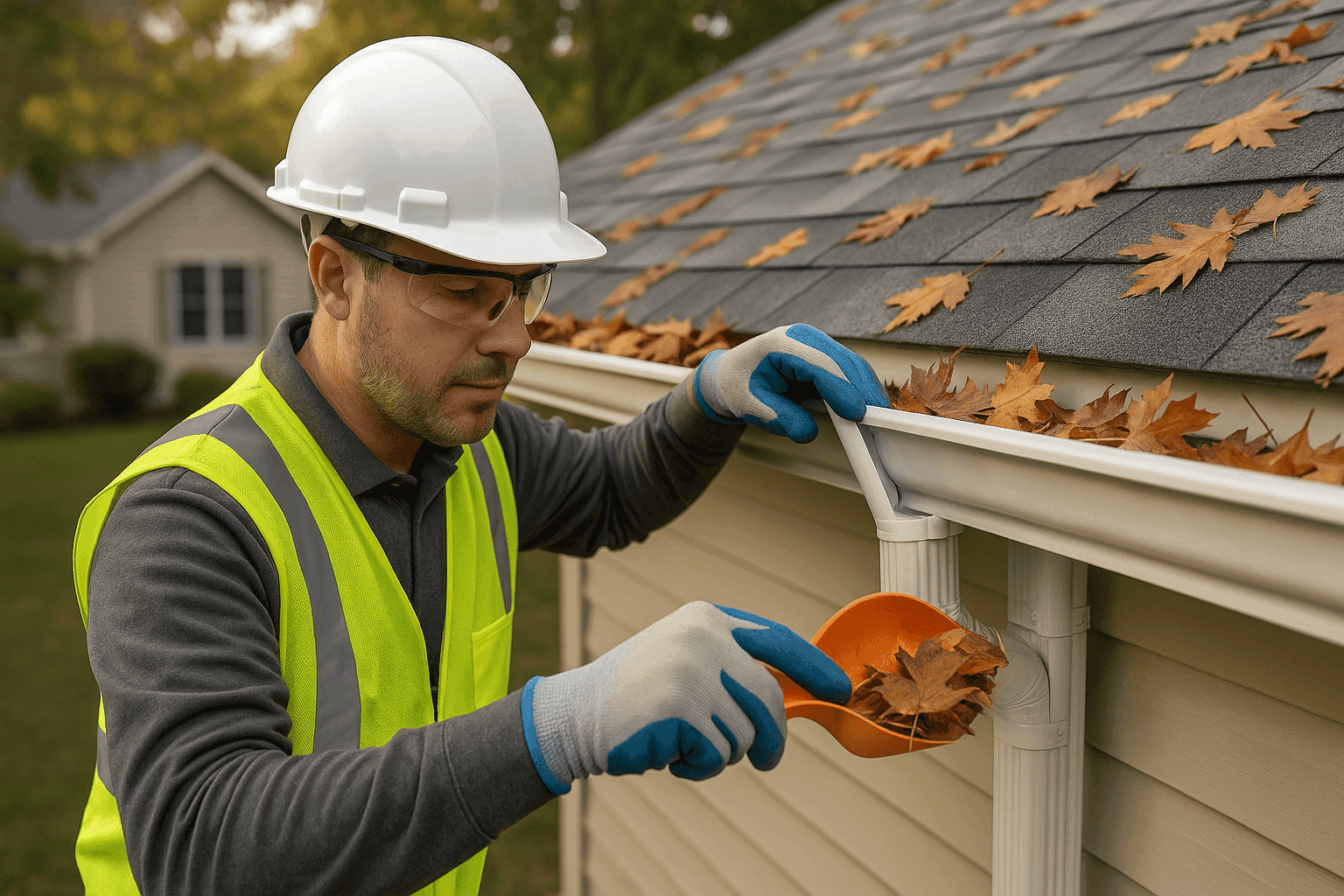
Keeping water out of your home starts above your head. Gutters and downspouts are like silent guardians—always working, rarely noticed, until something goes wrong. At Home Roofing & Remodeling, we’ve seen firsthand how a small clog can lead to a waterfall of trouble.
Your roof’s first defense against water is a clear, free-flowing gutter system. Ignore it long enough and you might face costly repairs, from rotted roof decking to stained ceilings and even foundation issues. The good news? With the right know-how, you can keep those risks at bay.
Why Gutters & Downspouts Matter 🌧️
Think of your gutters and downspouts as the veins of your roofing system. When they flow smoothly, water is carried safely away from your home, protecting everything from your shingles to your basement. But a single blockage, sag, or crack can reroute water straight into places it doesn’t belong.
A healthy gutter system means:
- Less risk of roof leaks and rot
- No surprise puddles or flooded flowerbeds
- Lower chances of insect infestations (mosquitoes love standing water)
- Stronger, longer-lasting roofing
According to the International Association of Certified Home Inspectors, clogged or damaged gutters are among the top causes of water damage in residential homes. It’s a simple system—but when it fails, the consequences escalate quickly.
Common Gutter Issues & Warning Signs
Not sure if your gutters need attention? Here’s what to watch for:
- Water spilling over the sides during rainstorms
- Sagging or pulling away from the roofline
- Visible cracks, holes, or rust spots
- Peeling paint or mildew on your siding
- Pools of water near your foundation
- Plants or weeds growing from the gutter
- Birds nesting inside downspouts
Even a small leak can snowball into roof decking rot or attic mold. If you spot any of these signs, it’s time for a closer look.
Step-by-Step Maintenance Advice
Ready to roll up your sleeves? Here’s a straightforward maintenance routine:
- Clear Debris: Using a small scoop or gloved hands, remove leaves, twigs, and dirt. Start near the downspout and work backwards.
- Flush Gutters: Run a garden hose through the system to check flow. Watch for slow draining or overflow, which signals a clog.
- Inspect Joints: Look for leaks at seams and corners. If you see drips, apply a gutter sealant—just like patching a tiny leak in a boat before it becomes a flood.
- Check for Slope: Gutters should tilt slightly toward the downspout. If water pools in places, brackets may need adjustment.
- Test Downspouts: Water should flow freely from the bottom. If not, use a plumber’s snake or flush with the hose until clear.
- Secure Loose Sections: Tighten hangers or replace them if the gutter is drooping.
Tip: Always use a sturdy ladder and keep three points of contact for safety. The National Roofing Contractors Association recommends inspecting gutters at least twice a year—ideally in spring and fall.
When to Replace or Repair
Not every gutter problem means a full replacement. Here’s how to decide:
Repair:
- Small cracks or holes (patch with sealant or gutter tape)
- Isolated rust spots (sand and repaint)
- Loose hangers or spikes
Replace:
- Multiple or large cracks
- Significant sagging or separation from the house
- Extensive rust or corrosion
- Rotting fascia boards behind the gutter
If your downspouts are crushed, disconnected, or leaking at the seams, replacement is usually the safest bet. A patch may buy you time, but water always finds the path of least resistance.
The Importance of Regular Inspections 🛠️
Think of inspections as your weather forecast—they help you prepare before the storm. Set reminders to check your gutters:
- Every spring (after pollen and seed drop)
- Every fall (after leaves have fallen)
- After any severe weather event
During inspections, look for:
- Blockages in gutters and downspouts
- Signs of animal nests or insects
- Bent or loose sections
- Water stains under eaves or on siding
According to the Federal Emergency Management Agency (FEMA), regular upkeep can prevent many forms of water-related home damage. Even if you’re not climbing the ladder yourself, scheduling an annual inspection with a roofing professional is a wise investment.
Quick Safety Checklist
Before you grab your ladder, run through these basic rules:
- Use a sturdy, non-metal ladder (fiberglass is safest around power lines)
- Make sure the ladder is on level, dry ground
- Never stretch or lean out to reach—move the ladder instead
- Wear gloves and safety glasses
- Don’t work alone—have someone spot you
- Keep tools in a belt or bucket, not in your hands when climbing
If you’re uncomfortable on a ladder or your roof is particularly high or steep, play it safe and call a roofing professional.
DIY vs. Call a Pro
Some maintenance is squarely in DIY territory. Clearing leaves and flushing gutters are manageable for many homeowners. But there’s a tipping point. If you notice any of these, it’s time to call for help:
- Gutters are more than one story up
- You see signs of roof damage (missing shingles, soft spots)
- Downspouts are blocked underground
- There is evidence of animal nests or bees/wasps
- You notice water inside your attic or home
Professional roofing contractors have the right tools and harnesses for tough jobs. More importantly, they know how to spot hidden damage—like compromised flashing or insulation—before it becomes a disaster.
What Pros Do On Arrival
When you call Home Roofing & Remodeling or a qualified roofing company, here’s what to expect:
- Comprehensive inspection: Gutters, downspouts, roof edges, and flashing.
- Debris removal: Clearing out stubborn clogs, even in tough-to-reach places.
- Repairs: Sealing leaks, reattaching sagging gutters, replacing damaged sections.
- Check for proper drainage: Ensuring water flows freely and away from the foundation.
- Recommendations: Advice on upgrades, such as gutter guards or downspout extensions.
Professionals also spot issues you might miss, such as improper ventilation and insulation near you, or warning signs of storm damage that could affect your roof’s lifespan.
Prevention & Maintenance
Keep your gutters in top shape with these simple strategies:
- Install gutter guards: These mesh or foam covers keep most debris out.
- Trim overhanging branches: Fewer leaves mean fewer clogs.
- Direct downspouts: Ensure water is discharged at least five feet from your foundation.
- Schedule regular cleanings: Especially after heavy storms or wind events.
- Look for eco-friendly options: Consider rain barrels or permeable landscaping to make the most of runoff.
Remember, preventative maintenance is always less expensive—and stressful—than emergency repairs.
Costs & Time Factors
Price and time depend on the size of your home and the state of your gutters. Here’s what to expect:
- DIY cleaning: A half-day for a typical single-story home
- Professional cleaning: Usually 1–2 hours, depending on complexity
- Minor repairs: Patching or tightening can often be done in under an hour
- Full replacement: Larger jobs can take a full day or more
Material choices matter, too—aluminum gutters tend to last longer than vinyl, and seamless gutters reduce leak risks.
When It’s an Emergency
Sometimes, waiting isn’t an option. If you notice:
- Water pouring over gutters during even a light rain
- Bubbling paint or water stains inside your home
- Sagging gutters threatening to fall
- Water in your basement or crawlspace
Don’t wait. These are signs of major drainage failure. Roof repair, structural repair, and even emergency services may be needed to prevent further damage.
FAQ
How often should I clean my gutters?
At least twice a year—more if you have lots of trees nearby or after major storms.
Can clogged gutters really damage my roof?
Absolutely. Water that can’t flow away will back up under your shingles and rot the roof decking.
Are gutter guards worth it?
In many cases, yes. They reduce the frequency of cleaning but don’t eliminate it entirely.
Is there a best time of year for gutter maintenance?
Spring and fall are ideal, but inspect after every major storm.
Local/Seasonal Considerations ❄️
In areas with heavy autumn leaves or spring pollen, you may need to clean gutters more frequently. Snow and ice can also form damming in gutters, causing meltwater to back up under shingles. Consider heat cables or consult a roofing contractor about winter-specific strategies.
If your region gets sudden summer downpours, check that downspouts are clear and drainage is pointed well away from your home. In all climates, regular inspections—especially after storms—are your best defense.
Regular gutter and downspout maintenance is one of the simplest ways to protect your home’s most valuable asset—its roof. If you have questions, spot trouble, or just want peace of mind, our team at Home Roofing & Remodeling is always here to help.
Call Home Roofing & Remodeling now — or reach us anytime at 888-896-7236 .