Roof Inspections: What Homeowners Should Expect and Ask
You glance up at your roof after a storm. Are those shingles curling? Is that a stain near the gutter? It’s easy to put off roof inspections—until a small issue turns into a major leak.
We know the feeling. At Home Roofing & Remodeling, we’ve seen it all: from missing shingles after a summer windstorm, to subtle ventilation issues that only show up when your attic feels more like a sauna. A good roof inspection isn’t just a box to check. It’s your home’s shield—your investment’s first line of defense.
Why Roof Inspections Matter 🏠
Your roof is more than a hat for your home. It’s a barrier against rain, snow, sun, and wind. Over time, even a well-built roof can show signs of wear. Small cracks, loose flashing, or clogged gutters can leave your home vulnerable to leaks, mold, and costly repairs.
Regular inspections mean you find issues early—before they become expensive headaches. They also help keep warranties valid, and can even boost your home’s resale value according to the National Roofing Contractors Association.
What Inspectors Look For
A qualified inspector sees what most of us miss. Here’s what’s typically on their radar:
- Shingle condition: Missing, cracked, curled, or worn-out shingles.
- Flashing & sealants: Signs of rust, gaps, or deterioration around chimneys, skylights, and vents.
- Gutters & downspouts: Blockages, sagging, leaks, and improper drainage.
- Ventilation & insulation: Is your attic breathing properly? Poor airflow can shorten roof lifespan.
- Roof structure: Any sagging, rot, or signs of shifting.
- Water stains & leaks: Inside and out—especially near ceilings and attic spaces.
- Debris buildup: Leaves, moss, or branches that can trap moisture.
They’re not just checking the surface. A thorough inspection digs below, finding the small stuff before it becomes big trouble.
The Inspection Process Explained
So what actually happens during a roof inspection? Here’s how the pros at Home Roofing & Remodeling handle it:
- Visual walk-around: Before climbing, we take a look from the ground for obvious issues—missing shingles, damaged gutters, sagging.
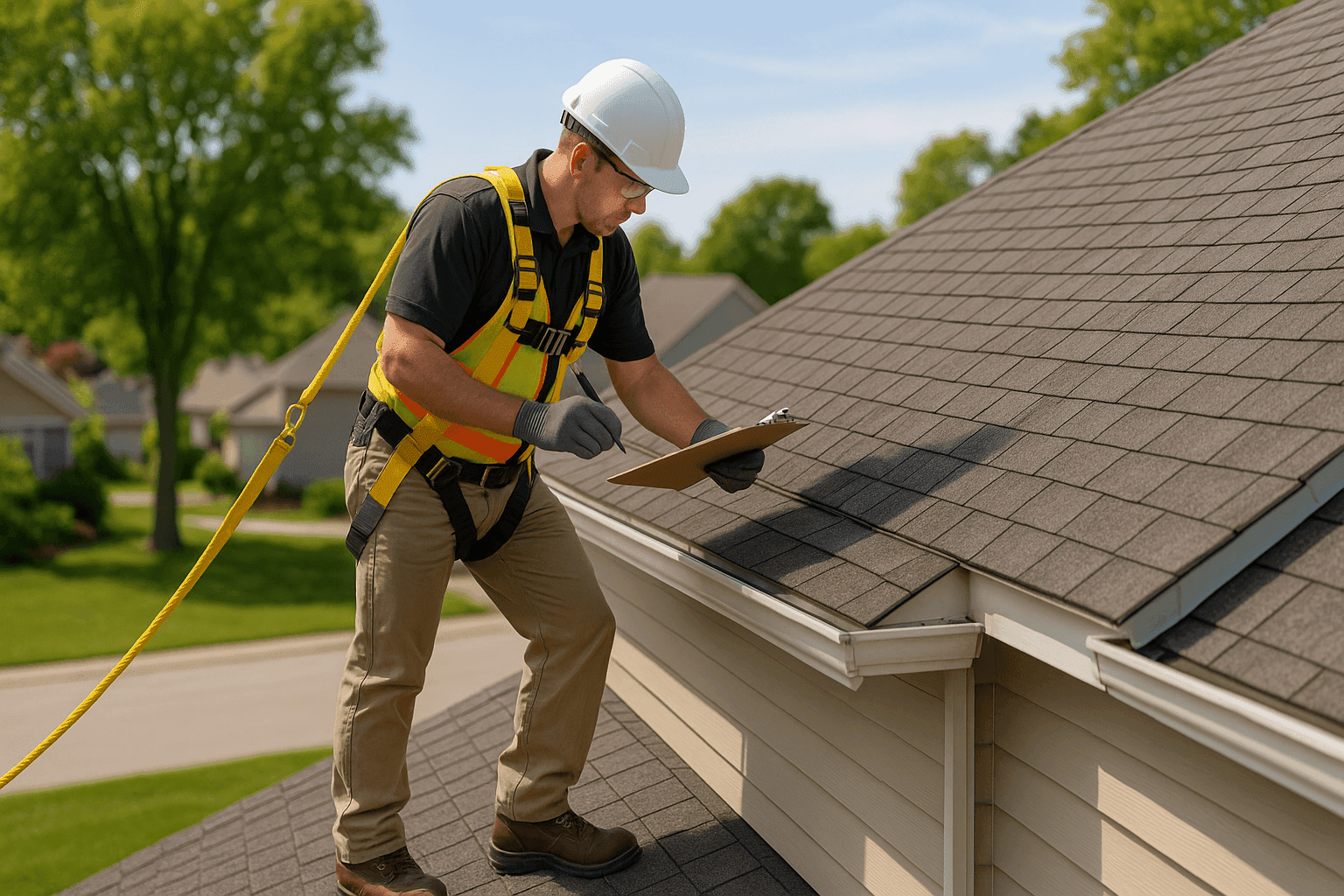
- On-roof check: With harness and safety gear, we inspect up close, checking shingles, flashing, vents, and any penetrations.
- Gutter & downspout review: We clear debris and check for leaks or improper pitch.
- Attic/ceiling check: Inside, we look for water stains, mold, or signs of poor insulation and ventilation.
- Photos & notes: We document every finding, so you have a clear record.
- Recommendations: We explain what needs attention now, what can wait, and tips for ongoing maintenance.
A good inspection isn’t rushed. It’s methodical—like a detective piecing together a story from every angle.
Key Questions for Your Inspector
Not sure what to ask? Here’s a list to keep handy:
- What’s the current condition of my roof?
- Are there any immediate safety concerns?
- How much life does the roof have left?
- Which repairs are urgent, and which can I schedule later?
- Do you notice any ventilation or insulation issues?
- Can you show me photos of the problem areas?
- Do you follow local building codes and safety standards?
- Are you certified or a member of industry organizations? (Look for credentials like GAF Master Elite, CertainTeed ShingleMaster, or National Roofing Contractors Association membership.)
Print this checklist out before your inspection, or jot it down. It puts you in control and helps avoid costly oversights.
How to Choose a Reliable Inspector
The roofing world is full of quick fixers and weekend warriors. So how do you find someone you can trust?
- Credentials matter: Look for certifications from trusted manufacturers (GAF, Owens Corning, CertainTeed) or organizations like NRCA or the Roofing Contractors Association of your state.
- Insurance and licensing: Always ask. This protects you and your property.
- References: Ask for recent client contacts, not just old reviews.
- Clear documentation: A quality inspector will give you detailed photos and written findings.
- No high-pressure sales: Beware anyone who pushes for an immediate, costly replacement without showing evidence.
A good inspector is like a trusted mechanic. They explain, show, and empower you—not just sell.
Quick Safety Checklist for Homeowners
Before your inspection, here’s a safety-first list:
- Keep pets and children inside during the inspection.
- Clear vehicles and garden items away from the house.
- Check the weather—avoid inspections during high winds or storms.
- If doing any checks yourself, use a sturdy ladder and never walk on a wet or icy roof.
- Wear shoes with good traction and avoid loose clothing.
Your safety—and that of your inspector—always comes first.
DIY vs. Call a Pro
It’s tempting to climb up and take a peek yourself. For minor checks (like looking for missing shingles from the ground), that’s fine. But inspecting a roof up close is risky.
- DIY: Use binoculars to spot shingle issues, check gutters for debris, and look for water stains in your attic or ceilings.
- Pro needed: For anything more—especially after a storm, or when you notice leaks—call in a certified roofing contractor. They have the training and gear to spot hidden problems and stay safe.
Remember: Saving a little now isn’t worth a big hospital bill or missed damage later.
What Pros Do On Arrival
Here’s what you can expect when a Home Roofing & Remodeling pro pulls up:
- Introduction & explanation: We walk you through what we’ll be looking for.
- Safety setup: Harnesses, ladders, and all necessary gear.
- Full exterior and interior check: Not just the roof, but attic, flashing, gutters, and structural details.
- Photo documentation: Every concern is photographed and explained.
- Clear summary: We’ll review findings with you, answer questions, and suggest next steps.
We take the time to make sure you understand your roof’s condition—no jargon, just clear info.
Prevention & Maintenance
Like a car, your roof needs regular care. Here’s how to keep it going strong:
- Trim branches: Keep trees away to prevent damage and debris buildup.
- Clean gutters twice a year: Spring and fall are ideal.
- Check attic ventilation: Poor airflow causes heat and moisture problems.
- Look for loose or missing shingles after storms.
- Schedule annual inspections: Even if nothing seems wrong.
Following these steps can extend your roof's life and help you avoid unexpected repairs.
Costs & Time Factors
What should you expect in terms of cost and timing?
- Inspection time: Most residential roofing inspections take 45–90 minutes.
- Cost range: Varies by location and roof size, but generally falls between $100–$400 for a standard inspection. Additional services like drone imaging or moisture scans may cost extra.
- Repair costs: Simple fixes (like replacing a few shingles) are much less expensive than major repairs or a full replacement.
A professional will always explain costs before starting any work. No surprises.
When It’s an Emergency
Sometimes, you can’t wait. Here’s when to call immediately:
- Active leaks during a storm
- Missing shingles after a wind event
- Sagging roof or visible structural damage
- Debris or tree branches puncturing the roof
Quick action prevents further damage. Emergency services are available for these situations—don’t wait.
FAQ
Q: How often should I get my roof inspected?
A: At least once a year, and after major storms. If your roof is over 10 years old or you’re seeing stains or leaks, schedule sooner.
Q: Can I inspect my roof myself?
A: You can check for obvious issues from the ground, but it’s best to let a certified professional do the full inspection for safety and accuracy.
Q: What certifications should my inspector have?
A: Look for manufacturer certifications (like GAF, CertainTeed), NRCA membership, and proof of insurance and licensing.
Q: Will an inspection void my warranty?
A: No—regular inspections are often required to maintain warranty coverage. Check your warranty documents for details.
Local and Seasonal Considerations
No matter where you live, seasonal changes take a toll on roofing. After heavy snow or hail, check for hidden damage. In humid areas, watch for mold and algae. In dry, sunny climates, look for cracked or brittle shingles. Schedule inspections in spring or fall for the best results.
Credentials You Can Count On
At Home Roofing & Remodeling, our inspectors are:
- Trained and certified by GAF and CertainTeed
- Members of the National Roofing Contractors Association
- Fully licensed and insured
- Up to date on OSHA safety standards and local building codes
We believe in clear, honest communication and meticulous attention to detail.
Your Printable Roof Inspection Checklist
- Are shingles flat and intact?
- Is flashing secure around chimneys, vents, and skylights?
- Any signs of sagging or uneven surfaces?
- Are gutters and downspouts clear and attached?
- Visible stains or leaks in attic or ceilings?
- Adequate attic ventilation and insulation?
- Any debris, moss, or overhanging branches?
- Can the inspector provide photos and written findings?
- Are credentials, insurance, and references provided?
Tape this to your fridge—or keep it handy for your next inspection.
Ready to get your roof checked by professionals who care?
Call Home Roofing & Remodeling now — or reach us anytime at 888-896-7236 .