Roof Ventilation & Insulation: Why Every Home Needs Both
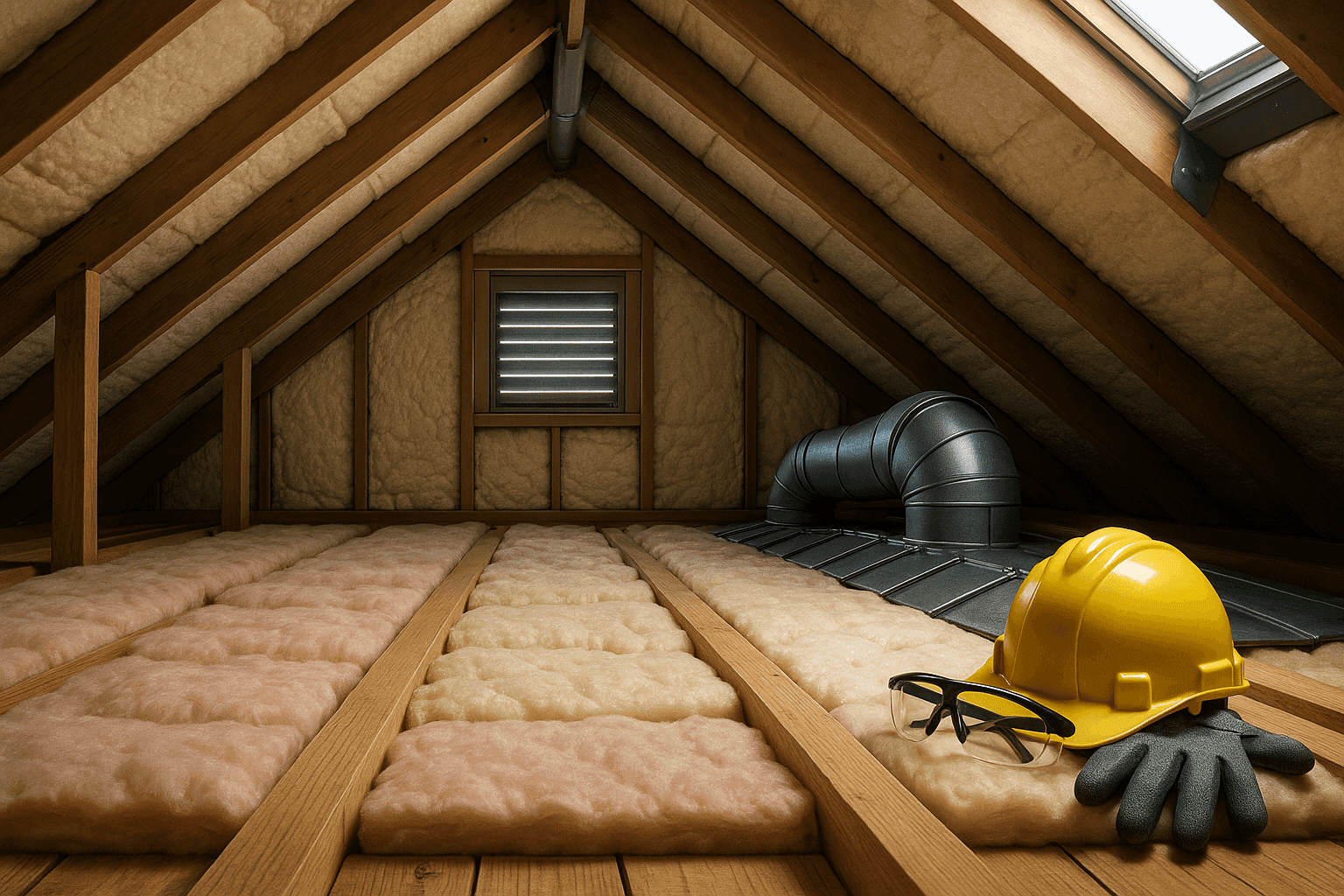
Drafty winter nights. Sweltering attics in July. That uncomfortable “why is my bedroom freezing while my attic feels like a sauna?” feeling. If you’ve ever wondered why your energy bills keep inching up or why your roof shingles don’t last as long as you hoped, there’s a good chance the answer lies above your head.
At Home Roofing & Remodeling, we see it every week: homeowners frustrated by leaks, mold, or mystery heat spikes. The culprit? Roof ventilation and insulation that just can’t keep up. Let’s pull back the attic hatch and see why these two systems matter so much—and what you can do about it.
The Role of Ventilation & Insulation 🏠
Think of your home as a living, breathing system. The roof is its hat. But even the best hat needs the right lining and air holes to keep you comfortable.
Ventilation lets fresh air in and pushes stale, moist air out. Insulation is the cozy blanket trapping warmth in winter and blocking heat in summer. When both work together, your home feels just right—year-round.
Energy, Comfort, & Roof Longevity
- Lower Energy Bills: The U.S. Department of Energy reports that proper attic insulation can save homeowners up to 15% on heating and cooling costs.
- Consistent Temperatures: No more cold bedrooms or hot upstairs hallways. Even temperatures mean less stress on your HVAC system.
- Roof Life: Without good airflow, heat and moisture stew in your attic, baking shingles from below or rotting wood. Ventilation helps prevent premature roof failure.
- Mold & Moisture Defense: Moisture trapped in attics leads to mold, mildew, and even structural rot. Good insulation and vents stop condensation before it starts.
Real-world example: We recently helped a homeowner whose roof decking was soft and spongy. The cause? Years of trapped moisture in a poorly ventilated attic. After upgrading vents and insulation, their next roof lasted twice as long.
Signs of Poor Ventilation or Insulation
Sometimes the clues are subtle. Other times, they’re loud and clear:
- Ice dams forming along gutters in winter.
- Rusty nails or black mold spots in the attic.
- Rooms that are hot in summer, cold in winter—even with the HVAC running.
- Musty smells or allergy symptoms indoors.
- Shingles curling or blistering before their time.
- Soaring energy bills, especially during temperature extremes.
If you spot one of these, your roof may be sending you a warning.
DIY Checks Homeowners Can Do
You don’t need a ladder to spot many ventilation and insulation issues. Try these homeowner-friendly checks:
- Attic Touch Test: On a hot day, stick your hand near the attic ceiling. Does it feel like an oven? Poor airflow could be to blame.
- Look for Vents: Walk around your home’s exterior. Do you see soffit (under-eave) vents? Ridge or gable vents? Missing or blocked vents spell trouble.
- Peek at Insulation: Open the attic hatch. Insulation should be fluffy, even, and at least as thick as the floor joists. If you see wood, it’s time for more.
- Check for Moisture: Any damp spots, frost, or blackened wood in the attic are red flags.
Remember: If you see mold, extensive staining, or signs of pests, call a professional immediately. Mold can be hazardous to your health.
When to Upgrade or Call a Pro
Some fixes are simple. Others need a roofing team. Here’s when you should pick up the phone:
- You find mold, widespread moisture, or structural damage.
- Your roof is over 15 years old and hasn’t been checked for ventilation.
- Ice dams or condensation keep returning every season.
- Your energy bills keep rising despite upgrades elsewhere.
- You’re planning a new roof, addition, or major remodel—perfect time to address insulation and ventilation together.
A professional roofing crew—like Home Roofing & Remodeling—can assess airflow, measure insulation, and recommend tailored solutions. Sometimes a small upgrade, like adding soffit vents or topping up insulation, can make a big difference.
The Science Behind the Comfort
Roofing isn’t just nails and shingles. It’s physics. Warm air rises, carrying moisture with it. If your attic can’t “exhale,” that moisture settles into wood and insulation, causing rot and mold.
Building codes (such as those outlined by the International Residential Code) set minimum requirements for both attic ventilation and insulation thickness. But many older homes fall short. Upgrading isn’t just about comfort—it’s about safety, resale value, and protecting your investment.
Energy, Health, and Money: The Real Costs
- Wasted Energy: The EPA estimates that proper attic insulation and ventilation can reduce your home’s carbon footprint and monthly bills.
- Health Risks: Mold and poor air quality can trigger allergies and respiratory issues, especially in children or older adults.
- Roof Damage: Moisture trapped in your attic can cause thousands of dollars in repairs—far more than the cost of prevention.
How Ventilation & Insulation Prevent Problems
- Stops Ice Dams: By keeping attic temperatures closer to outdoor temps, you avoid snowmelt and refreeze cycles that damage shingles and gutters.
- Blocks Mold: Dry attics mean mold spores can’t take hold.
- Extends Roof Life: Shingles stay cooler, longer, and resist wear.
- Protects Structure: Dry wood means fewer repairs down the road.
Upgrade Options: What’s Available Near You?
- Attic Insulation: From blown-in fiberglass to eco-friendly cellulose.
- Ridge, Soffit, and Gable Vents: Each has its place, depending on your roof style.
- Radiant Barriers: For homes in hot climates, a reflective barrier can slash cooling costs.
- Whole-House Fans: In some cases, these boost airflow and comfort.
Looking for “Ventilation & Insulation near you”? Ask about code-compliant upgrades that fit your region’s climate and your home’s design.
Safety Checklist: What to Watch For
- Wear a mask and gloves in the attic—old insulation can irritate skin and lungs.
- Never cover or block vents with insulation.
- Check for exposed wiring, pests, or signs of leaks before adding insulation.
- If you smell must or spot mold, don’t disturb it—call for help.
DIY vs. Call a Pro
- DIY: Spot checks, basic insulation top-ups, and clearing minor vent blockages.
- Pros: Mold removal, major upgrades, insulation replacement, or any project near electrical wiring.
Remember: Some attic work can be hazardous. If you’re unsure, it’s safer to call experienced roofing professionals.
What Pros Do On Arrival
- Full inspection inside and out—looking for airflow blockages, insulation gaps, moisture, and structural issues.
- Moisture readings and thermal imaging to spot “hot” or “cold” zones.
- Recommendations for vent types, insulation levels, and safe installation methods.
- Code-compliant solutions tailored to your home’s age and roofing system.
Prevention & Maintenance Tips
- Schedule annual attic checks—especially before summer and winter.
- Replace or repair damaged vents right away.
- Keep gutters and downspouts clear to prevent water backups.
- Add insulation as needed, especially after roof repairs or remodels.
- Watch for signs of critters or pests, which can disrupt insulation and airflow.
Costs & Time Factors
- Time: Most attic upgrades take 1–2 days, depending on your roof’s size and the work needed.
- Cost Ranges: Prices vary by region and project scope, but many insulation and vent upgrades pay for themselves within a few years in energy savings.
- Rebates: Some states and utilities offer credits for adding insulation or improving attic ventilation. Check local resources or Energy Star guidelines.
When It’s an Emergency
- Water dripping from ceilings or pooling in the attic.
- Visible mold, rot, or sagging roof decking.
- Sudden spikes in energy bills without explanation.
- Extreme indoor temperature swings, especially after a storm.
For emergencies, reach out to a roofing service offering rapid response. Fast action can save thousands in repairs and protect your family’s health.
FAQ: Common Questions
How often should attic insulation be checked?
At least once every few years, or after any major storm or roof repair.
Can I add more insulation myself?
Small top-ups may be DIY-friendly, but always check for safe venting and avoid covering eaves or blocking airflow.
What’s the best type of attic vent?
There’s no one-size-fits-all answer. Pros recommend a mix (ridge, soffit, and gable vents) tailored to your roof’s shape and climate.
Do new roofs always include new insulation?
Not always. It’s smart to update insulation and ventilation during a roof replacement for maximum efficiency.
Local & Seasonal Considerations
- Cold Climates: Extra attention to ice dams and attic air leaks.
- Hot Regions: Radiant barriers and increased ventilation help control attic heat.
- Storm-Prone Areas: Regular inspections catch damage from wind-driven rain and hail.
Building codes and best practices vary by area, so choose a roofing team familiar with your local weather and construction standards.
Want to feel comfortable in every room and protect your roof for years to come?
Call Home Roofing & Remodeling now — or reach us anytime at 888-896-7236 .